
Reviewed · NATIONAL PALACE MUSEUM TICKETS
Taipei: National Palace Museum and Taiwan Aborigines Museum
Ancient treasures meet living traditions. This $15 self-guided museum day pairs Taipei’s National Palace Museum with the smaller Shung Ye Museum of Formosan Aborigines, giving you two very different views of Taiwan. I like the excellent value and the easy short walk between the museums. I also like the freedom to spend three or four hours with the National Palace Museum’s collection instead of being pushed through on a strict schedule. The main drawback is that the Shung Ye museum is compact, and the National Palace Museum ticket does not include its audio guide.
The day works best for anyone who enjoys history, art, and quiet time indoors. You redeem both tickets at Shung Ye first, so do not head straight to the National Palace Museum expecting to collect your admission there. Bring your passport or ID card, and remember that cameras and filming equipment are not allowed in the museums.
In This Review
- Key points to know before you go
- Starting at Shung Ye Museum of Formosan Aborigines
- Why the smaller museum deserves your time
- The short walk to the National Palace Museum
- Spending three to four hours with Chinese art
- How to organize the one-day visit
- Getting there from Shilin Station
- Cameras, lockers, and other practical details
- Who will enjoy this museum pairing
- Should you book this $15 museum day?
- FAQ
- Where do I redeem the museum tickets?
- How much does the experience cost?
- How long is the ticket valid?
- Is an audio guide included?
- How do I reach Shung Ye Museum by public transport?
- What days are the museums open?
- Can I take photographs?
- Is the experience suitable for wheelchair users and young children?
Key points to know before you go
- Start at Shung Ye Museum: Redeem both museum tickets here before visiting the National Palace Museum.
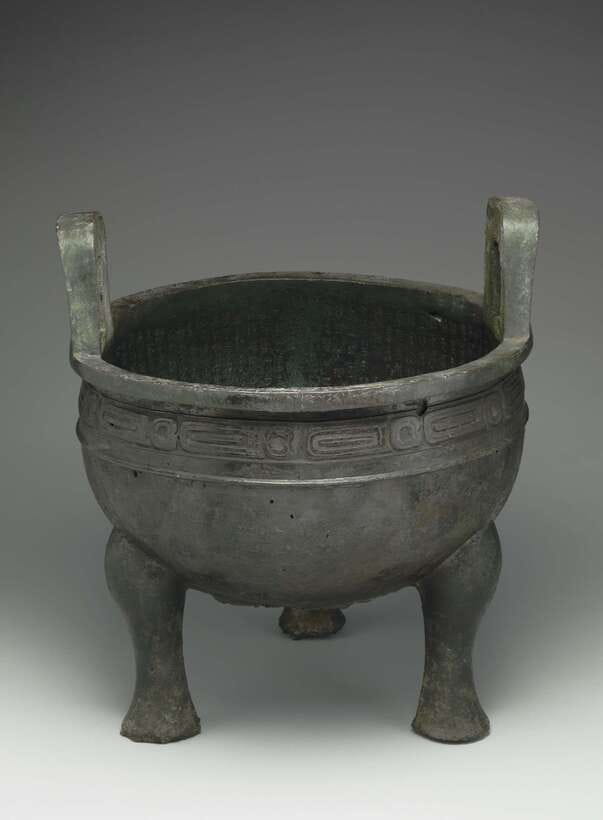
- Two very different collections: Shung Ye focuses on Taiwan’s Indigenous peoples, while the National Palace Museum presents more than 700,000 pieces of Chinese art.
- Allow three to four hours at the National Palace Museum: The collection is large enough to reward a slow visit, especially if this is your first time.
- Look for the jadeite cabbage carving: It is one of the museum’s best-known objects and a highlight for many first-time visitors.
- Use the audio guide selectively: An audio guide is available for Shung Ye if you choose that option, but it is not included for the National Palace Museum.
- Plan around opening days: Both museums are open Tuesday through Sunday, with later National Palace Museum hours on Friday and Saturday.
Starting at Shung Ye Museum of Formosan Aborigines
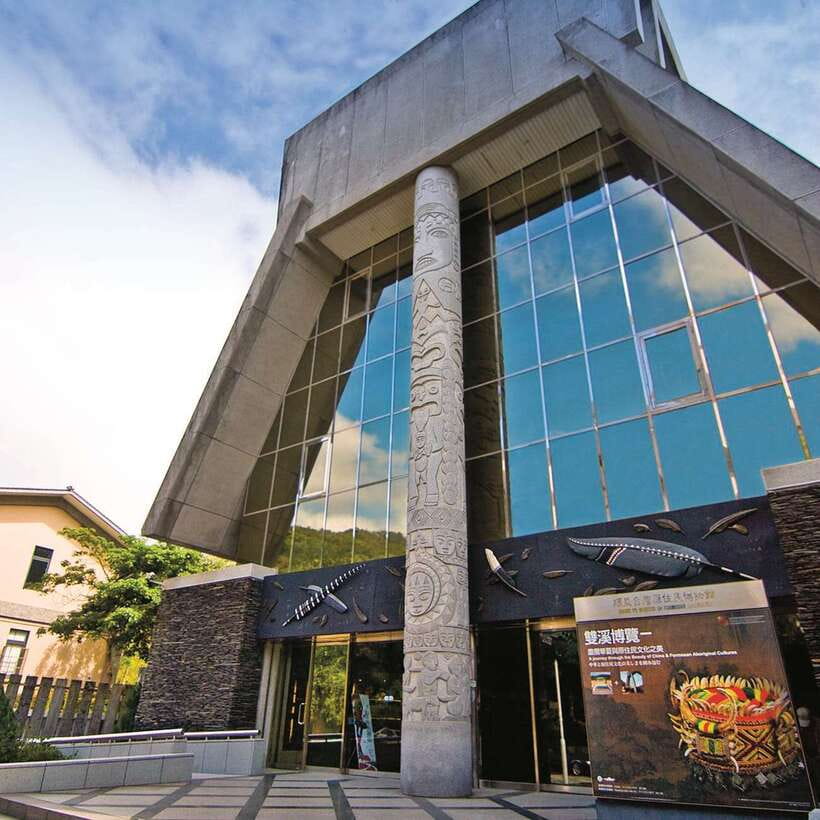
Your first stop is the Shung Ye Museum of Formosan Aborigines on Zhi Shan Road in Taipei’s Shilin District. This is where you redeem the admission tickets for both museums, making it the practical starting point even if the National Palace Museum is your main target.
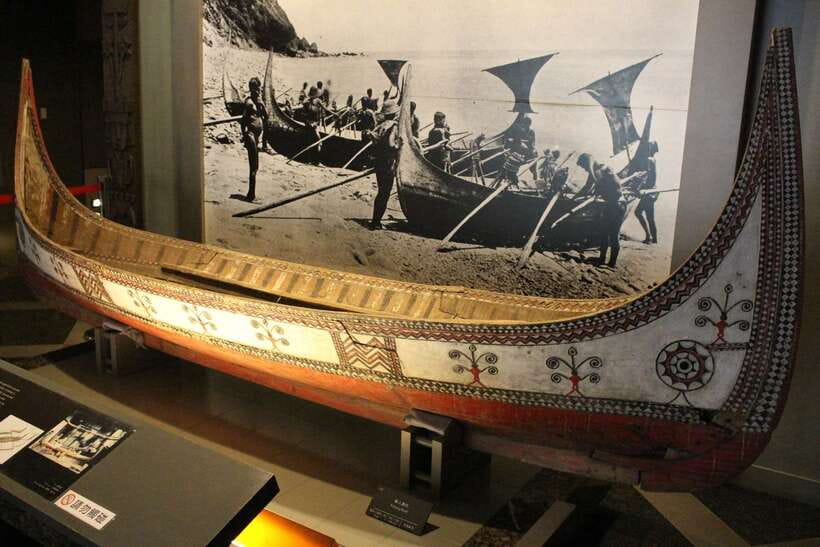
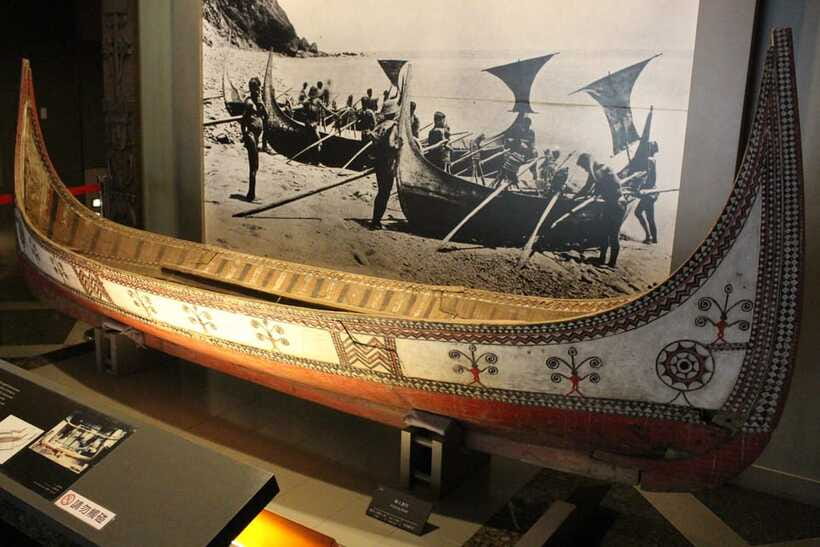
The museum introduces Taiwan’s Indigenous peoples through displays about clothing, festivals, religion, family life, and daily work. It is a useful first stop because it gives you a view of Taiwan that can be missed when the day is focused only on imperial Chinese art.
The collection is not huge. You can see the main exhibits without giving the museum your entire morning, which is helpful when you want enough time for the National Palace Museum afterward. I would plan roughly an hour here, though the right amount depends on how closely you read displays and whether you watch a film in the auditorium.
The films are worth checking. They offer more information about the present conditions of Taiwan’s Indigenous communities, not just older customs and museum objects. That modern focus matters. Indigenous culture is not presented only as something from the past, and the films add context that clothing and artifacts alone cannot provide.
If you select the audio guide option, you can listen to commentary as you move through Shung Ye. This is a good choice if you prefer explanations rather than reading every panel. The National Palace Museum does not include an audio guide with this ticket, so the sound support is limited to the Shung Ye portion unless you arrange something separately.
More National Palace Museum tickets:
- Taipei City Morning Tour with National Palace Museum entry
★ 4.0 · 232 reviews - Taipei National Palace Museum Guided Tour
★ 4.5 · 9 reviews - National Palace Museum Northern Branch Taiwan Admission
★ 4.5 · 3 reviews
Why the smaller museum deserves your time
It would be easy to treat Shung Ye as a quick ticket desk before the main attraction. I think that would be a mistake. The museum provides a needed counterpoint to the National Palace Museum, where the focus is on Chinese court culture, calligraphy, ceramics, paintings, and objects collected over thousands of years.
At Shung Ye, you are learning about the peoples who lived in Taiwan before modern political boundaries and outside rule shaped the island. The exhibits cover around 14 to 16 Indigenous groups, according to the information presented during the visit experience, and show differences in ways of life and traditions.
The museum also helps you understand that Taiwan’s identity is not built from one source. The larger museum next door is essential for anyone interested in Chinese art, but Shung Ye brings attention to local cultures that are often given less space in a standard Taipei sightseeing plan.
One limitation is scale. If you want a full-day museum devoted only to Indigenous art and anthropology, this will feel too brief. If you want a focused introduction before moving to a much larger collection, its size works in your favor.
The short walk to the National Palace Museum
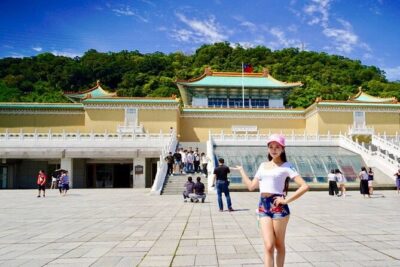
After Shung Ye, you can walk a short distance to the adjacent National Palace Museum. This simple connection is one of the best features of the day. There is no need to arrange another taxi, cross the city, or lose time changing transport between unrelated sights.
The contrast begins as soon as you move from one museum to the other. Shung Ye deals with Taiwan’s Indigenous communities and their continuing place in the country. The National Palace Museum presents Chinese art across roughly 5,000 years, showing how art, government, religion, literature, and everyday life developed over long periods.
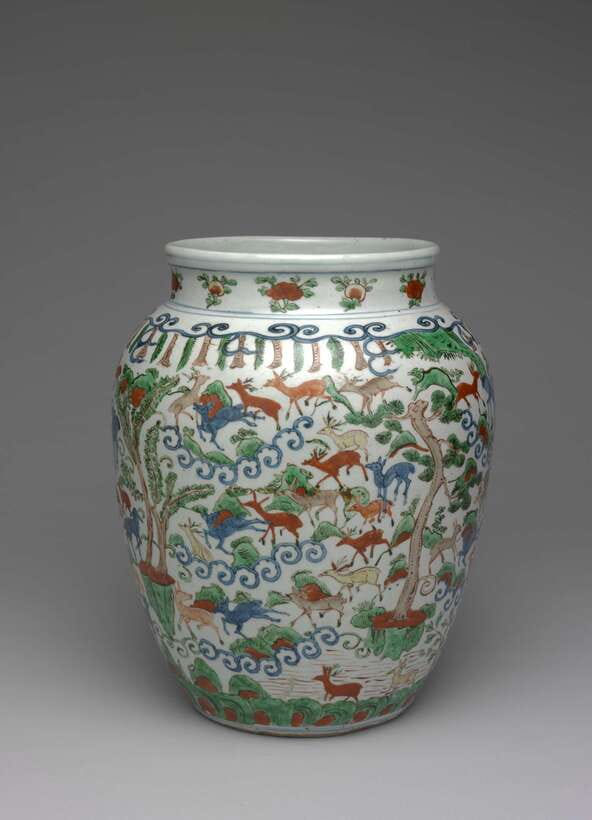
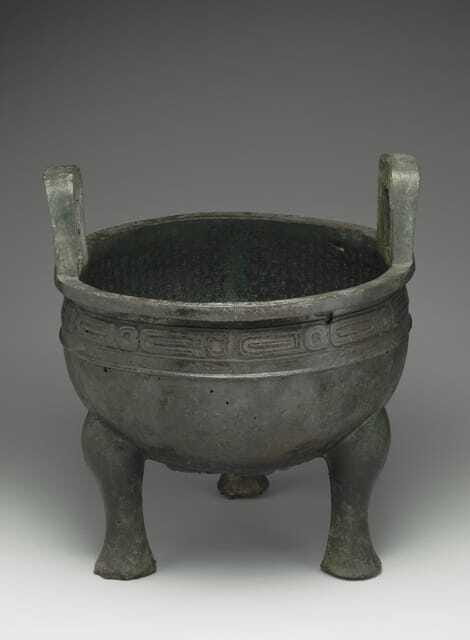
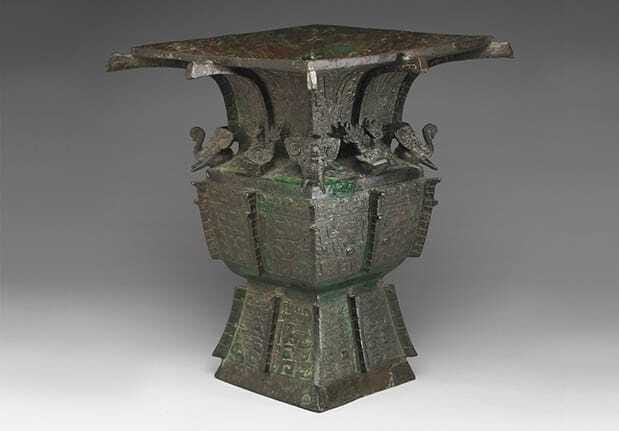
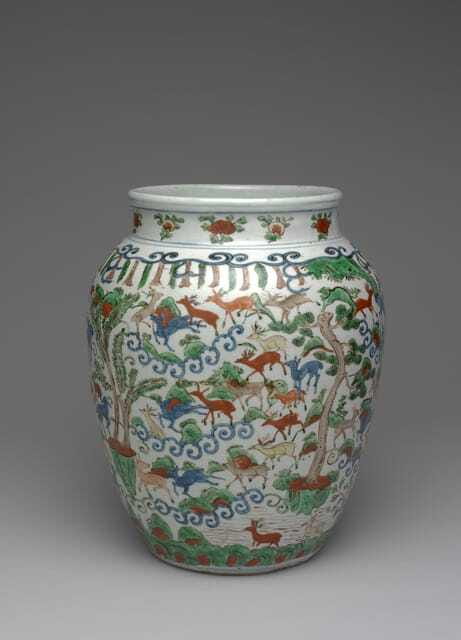
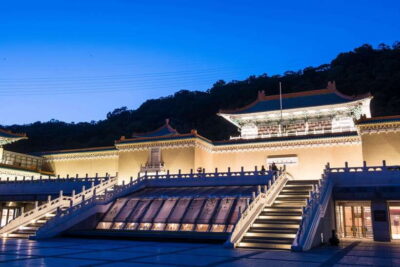
The ticket gives you the freedom to set your own pace. That matters here because the National Palace Museum is not a quick stop. Its collection contains more than 700,000 objects, including calligraphy, ceramics, paintings, and other works of art. Only a portion will be on display at any one time, but the scale still demands choices.
Do not try to see everything. Pick a few areas that interest you, then give those exhibits proper attention. You may prefer ceramics, painted works, or calligraphy. You may also want to focus on the famous objects that make the museum a required stop for many people visiting Taipei.
Spending three to four hours with Chinese art
A three to four hour visit is a sensible target if the National Palace Museum is your main reason for booking. That gives you time to look carefully without turning the day into a museum marathon.
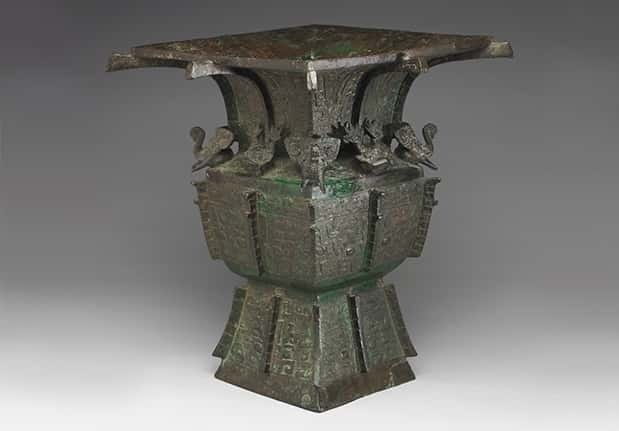
The collection covers an extraordinary span of Chinese culture and daily life. You may see objects that reveal how people wrote, decorated rooms, practiced religion, served food, or displayed status. The value of the museum is not only in individual masterpieces. It is in the chance to watch ideas and techniques change across 5,000 years.
The well-known jadeite cabbage carving is an obvious item to seek out. It is small compared with the museum’s overall collection, but its fame comes from the fine carving and the way the natural color of the jade is used. Do not assume the most famous object will be the largest or most dramatic piece in the building. In this case, the appeal is detail and craftsmanship.
You may also find that the museum feels unlike Beijing’s Forbidden City. One visitor who had first visited three decades earlier found the return visit especially memorable and noted that the collection offered objects not easily matched by what you see in Beijing. That is a useful comparison: this museum is not simply a smaller version of a palace complex. Its strength is the concentration of portable art and historical objects.
The absence of an included National Palace Museum audio guide is worth noting. If you like a guided explanation for every room, you may need to rely on written displays or arrange an audio option separately. If you prefer freedom, the lack of a group guide is less of a problem. You can pause, skip, and return to areas without keeping up with anyone else.
More museums and galleries:
- Taipei: National Palace Museum E-Ticket
★ 4.4 · 273 reviews - Taipei: Morning City Tour with National Palace Museum Entry
★ 4.6 · 173 reviews - Kaohsiung: Private City Tour with Fo Guang Shan Museum
★ 5.0 · 26 reviews - Taipei: National Palace & Shung Ye Aborigines Museums Ticket
★ 4.6 · 16 reviews
How to organize the one-day visit
The two museums are available for one day, but the ticket does not lock you into a fixed tour schedule. I would begin at Shung Ye because both admissions must be redeemed there, then move directly to the National Palace Museum while your attention and energy are still good.
Shung Ye opens from 9:00 a.m. to 5:00 p.m. Tuesday through Sunday. The National Palace Museum opens earlier, from 8:30 a.m. to 6:30 p.m. Tuesday through Sunday, with hours extended to 9:00 p.m. on Friday and Saturday.
If you want a quieter, more focused day, arrive early during the shared opening days. If Friday or Saturday is convenient, the later National Palace Museum closing time gives you more room to take a break between museums. The ticket is valid for one day, so you have flexibility, but you still need to work around Shung Ye’s earlier closing time.
Give yourself more time than you think you need for the National Palace Museum. A rushed hour there would cover only a fraction of what makes the collection worthwhile. On the other hand, you do not need to force yourself through every gallery. The self-guided format lets you stop when your concentration fades.
Getting there from Shilin Station
The meeting point is Shung Ye Museum of Formosan Aborigines, No. 282, Section 2, Zhi Shan Road, Shilin District. From Exit 1 of Shilin MRT Station on the red line, take bus 255, S18, or S19.
Get off at Wesley Girls High School, shown in Chinese as 衛理女中. This bus detail is important because the museum is not at the MRT exit itself. Check the stop carefully so you do not assume the short walk between the museums means a short walk from the station.
Because ticket redemption must happen at Shung Ye, build the bus ride and the first museum stop into your plan. Going directly to the National Palace Museum may create an unnecessary backtrack.
The experience is wheelchair accessible. Bring a passport or ID card, as identification is listed among the items required for the visit. Children under seven enter free.
Cameras, lockers, and other practical details
Cameras and flash photography are not allowed. Filming equipment must be left in onsite lockers, which cost around TWD20 each. If you are carrying a camera for the rest of your Taipei sightseeing, plan to store it before entering rather than discovering the rule at the door.
A small locker fee is not included in the ticket price. It is minor, but it is still worth carrying a little local currency or being prepared to pay onsite.
The ticket price is about $15 per person. For two major museums in one day, that is strong value, especially if you already planned to visit the National Palace Museum. The price is less compelling if you want a guided tour with detailed explanations at every stop, since the package is mainly admission and optional audio support at Shung Ye.
The best value comes from using the freedom well. Spend enough time at Shung Ye to understand Taiwan’s Indigenous cultures, then reserve the larger share of your day for the National Palace Museum. The two stops work together, and visiting only one would give you a narrower picture of Taiwan.
Free cancellation is available up to 24 hours before the activity for a full refund, and you can reserve now and pay later. Those policies help if your Taipei schedule is still moving around, but they do not change the need to visit on an open museum day.
Who will enjoy this museum pairing
I recommend this experience to people who like history, art, and self-guided sightseeing. It suits couples, families with older children, and solo visitors who want to choose their own pace.
It is especially useful for a first Taipei visit because the two museums cover different parts of the country’s cultural story. Shung Ye introduces Indigenous Taiwan, while the National Palace Museum gives you a wide view of Chinese art and culture.
You should think twice if you dislike museums or prefer a hands-on activity. One visitor found the experience simply acceptable because museums are a matter of personal taste. That is fair. This is an indoor, information-heavy day, and the National Palace Museum can feel demanding if you are not interested in art or history.
Families should also consider attention spans. Children under seven enter free, but the ticket does not promise child-focused interpretation. The jadeite cabbage may capture a child’s attention for a moment, while the larger collection requires patience.
Should you book this $15 museum day?
Book it if you want a low-cost way to connect Taiwan’s Indigenous cultures with the broader story of Chinese art. The combination is thoughtful, the museums are next to each other, and the National Palace Museum alone can fill several useful hours.
I would book with a clear plan: start at Shung Ye, use the optional audio guide there if you want more explanation, then spend three to four hours choosing National Palace Museum galleries that interest you. Expect a compact first museum and a very large second one.
Skip it if you want a live guide, outdoor scenery, or a fast sightseeing stop. For museum fans, though, this is one of the better-value cultural days in northern Taiwan, with the famous jadeite cabbage as a bonus rather than the sole reason to go.
FAQ
Where do I redeem the museum tickets?
You must redeem both tickets first at the Shung Ye Museum of Formosan Aborigines. Do not go directly to the National Palace Museum to collect the admissions.
How much does the experience cost?
The listed price is $15 per person.
How long is the ticket valid?
The ticket is valid for one day.
Is an audio guide included?
An audio guide for the Shung Ye Museum is included only if you select that option. An audio guide for the National Palace Museum is not included.
How do I reach Shung Ye Museum by public transport?
From Exit 1 of Shilin MRT Station on the red line, take bus 255, S18, or S19. Get off at Wesley Girls High School, or 衛理女中.
What days are the museums open?
Both museums are open Tuesday through Sunday. Shung Ye is open from 9:00 a.m. to 5:00 p.m. The National Palace Museum is open from 8:30 a.m. to 6:30 p.m., with hours extended to 9:00 p.m. on Friday and Saturday.
Can I take photographs?
Cameras and flash photography are not allowed. Filming equipment must be stored in onsite lockers, which cost around TWD20 each.
Is the experience suitable for wheelchair users and young children?
The experience is wheelchair accessible. Children under seven enter free.
Recently added in Taipei
- Keelung Shore Excursion: Private 6H Natural Wonder & Seafood Tour★ 5.0 · 3 reviews
- One-way Private Transfer between Jiufen and Taipei★ 5.0 · 3 reviews
- 8-Day Around Taiwan Private Tour★ 5.0 · 3 reviews
- National Palace Museum Northern Branch Taiwan Admission★ 4.5 · 3 reviews
- 12hrs – Chiayi Meteor Garden Classic Tour From Taipei★ 5.0 · 3 reviews
- Yilan 1-Day Private Tour to Kavalan Whisky & Cultural Gems★ 4.5 · 3 reviews
- Best of Taiwan 9 Days Tour★ 3.5 · 3 reviews
- Full Day Private History Tour in Taipei City★ 4.5 · 3 reviews
National Palace Museum Tickets, compared.
Taipei City Morning Tour with National Palace Museum entry
Read our review →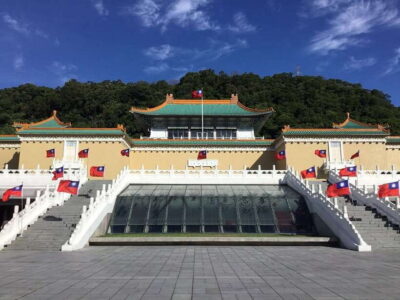
Morning City Tour with National Palace Museum Entry
Read our review →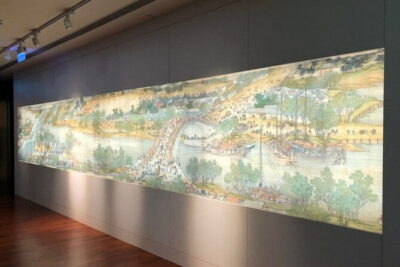
National Palace Museum Northern Branch Taiwan Admission
Read our review →Browse the lists this tour appears in