
Reviewed · MUSEUMS
Taipei: National Palace & Shung Ye Aborigines Museums Ticket
Ancient jade and Indigenous art tell two very different Taiwan stories. This one-day ticket pairs the National Palace Museum, home to one of the world’s largest collections of Chinese art, with the smaller Shung Ye Museum of Formosan Aborigines. I like the clear contrast between imperial objects and living Indigenous traditions, and I like the simple QR-code entry that lets you get inside without buying separate admission tickets. The main drawback is scale: the National Palace Museum can feel overwhelming, while Shung Ye is compact enough to see in about 30 minutes.
I also appreciate the value. At $12 per person, the ticket covers both museums and their permanent and special exhibits, making it an inexpensive cultural day in Taipei. You will need to arrange your own food, drinks, transport, and museum interpretation, since guided tours and hotel transfers are not included.
In This Review
- Key Points To Know Before You Go
- Why This Two-Museum Pairing Works
- Entering the National Palace Museum
- The Jadeite Cabbage And Meat-Shaped Stone
- Bronze Vessels, Calligraphy, And Five Thousand Years Of Art
- Shung Ye Museum And Taiwan’s Fourteen Indigenous Peoples
- How To Pace The Day
- What The $12 Ticket Is Worth
- Who Will Enjoy This Museum Day
- What You Should Know Before Arrival
- Should You Book This Ticket?
- FAQ
- How long is the ticket valid?
- What museums are included?
- Does the ticket include a guided tour?
- Can I see the Jadeite Cabbage and Meat-Shaped Stone?
- Is food allowed inside the museums?
- Is the experience wheelchair accessible?
Key Points To Know Before You Go
- Two very different museums in one ticket: Compare imperial Chinese art at the National Palace Museum with Taiwan’s Indigenous cultures at Shung Ye.
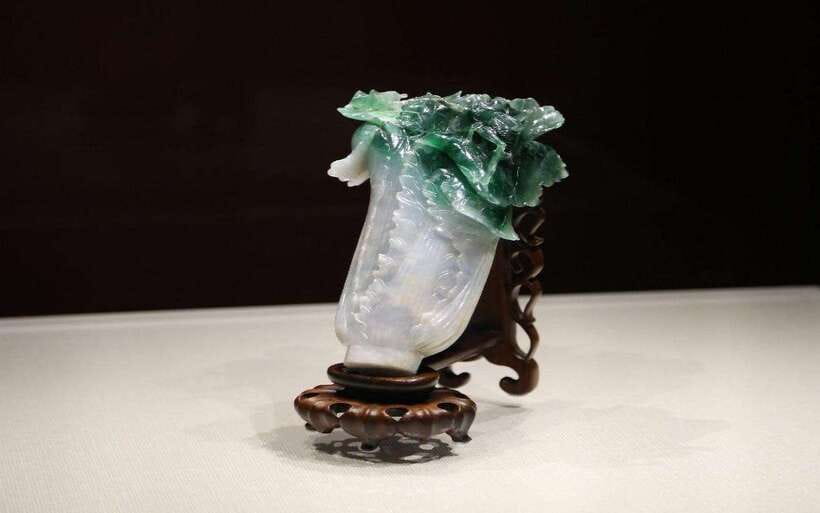
- The Jadeite Cabbage is the headline object: This small jade carving is one of the National Palace Museum’s best-known treasures.
- Five thousand years of Chinese history: Bronze ritual vessels, calligraphy scrolls, jade, and other works span many periods and artistic traditions.
- Fourteen recognized Indigenous tribes: Shung Ye introduces Taiwan’s Indigenous peoples through clothing, hunting tools, ceremonial objects, and multimedia displays.
- A short visit to Shung Ye works well: Its collection is much smaller, and you might see the main displays in around 30 minutes.
- Plan for a self-guided visit: There are no guided tours in the ticket, but an audio guide at the National Palace Museum can help you focus on key works.
Why This Two-Museum Pairing Works
Taipei has no shortage of cultural sights, but these two museums give you a useful view of Taiwan from different angles. The National Palace Museum presents thousands of years of Chinese artistic and imperial culture. Shung Ye turns your attention to the people and traditions that developed on Taiwan itself.
That contrast is the real strength of the ticket. If you visit only the National Palace Museum, you may leave with a strong sense of dynastic China but a narrower view of Taiwan. Add Shung Ye, and the day becomes a broader look at the island’s cultural past and present.
I would not think of this as a guided tour. It is a self-paced museum day with admission handled in advance. You can linger over famous objects, move quickly through familiar material, or spend more time at displays that catch your attention.
The ticket is valid for one day. Starting times depend on availability, so check the booking details before you commit to a schedule. You can cancel up to 24 hours ahead for a full refund, and the reserve-now, pay-later option helps if your Taipei plans are still shifting.
More museums and galleries:
- Taipei City Morning Tour with National Palace Museum entry
★ 4.0 · 232 reviews - Taipei National Palace Museum Guided Tour
★ 4.5 · 9 reviews - National Palace Museum Northern Branch Taiwan Admission
★ 4.5 · 3 reviews
Entering the National Palace Museum
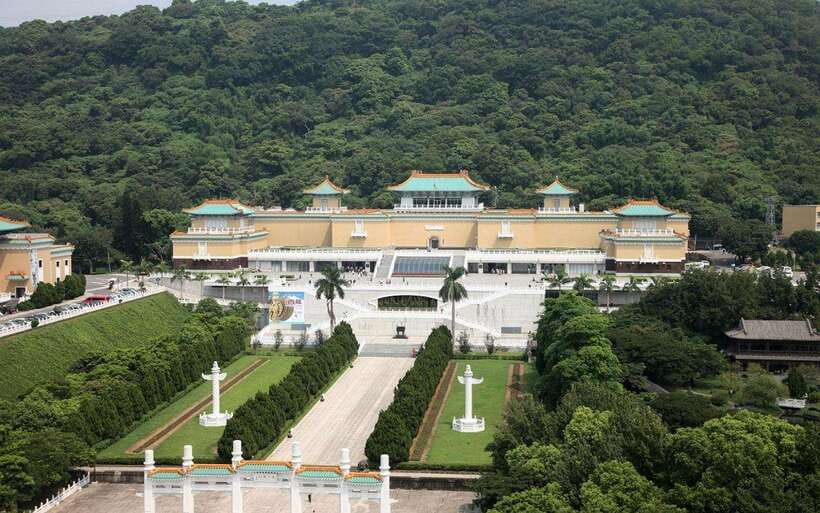
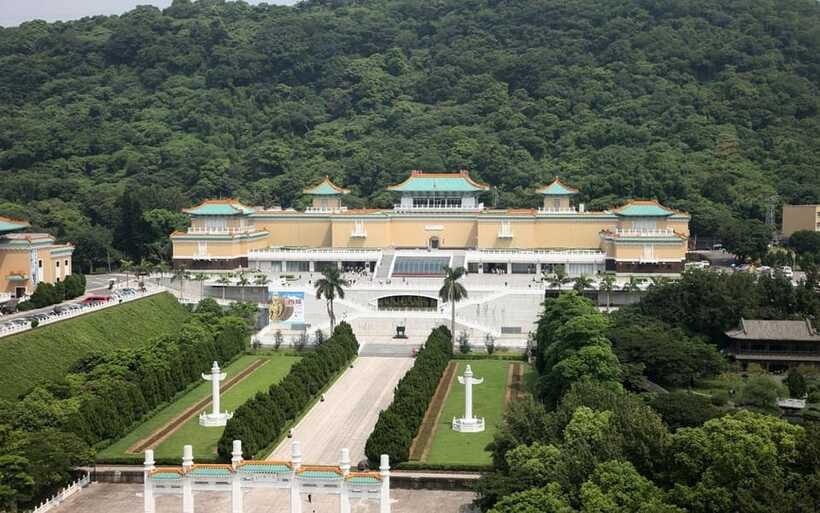
Begin with the National Palace Museum, the larger and more demanding half of the outing. Its collection covers more than 5,000 years of Chinese history, so you are not looking at a single period or style. The museum brings together objects connected with art, writing, court life, ritual, craftsmanship, and daily culture across many dynasties.
The scale can be both the attraction and the problem. There is enough to fill a long visit, but no one can absorb every room with equal attention. I recommend choosing a few themes or famous objects rather than trying to inspect every case.
The ticket includes admission to permanent and special exhibits. That gives you flexibility, since you are not limited to one small display or one famous object. You can begin with the best-known pieces, then adjust your pace depending on how much energy and time you have.
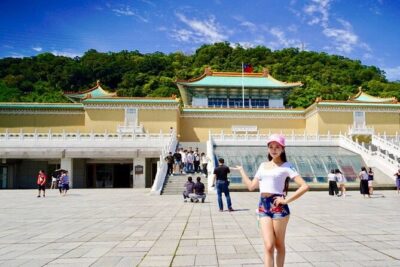
The museum’s setting on a hillside is part of the appeal. One booking review described it as a major Taipei landmark in a striking hillside setting, and that is useful context when planning your day. This is not a quick indoor stop squeezed between nearby sights. Allow time for the building, the galleries, and the trip to this northern part of Taipei.
The Jadeite Cabbage And Meat-Shaped Stone
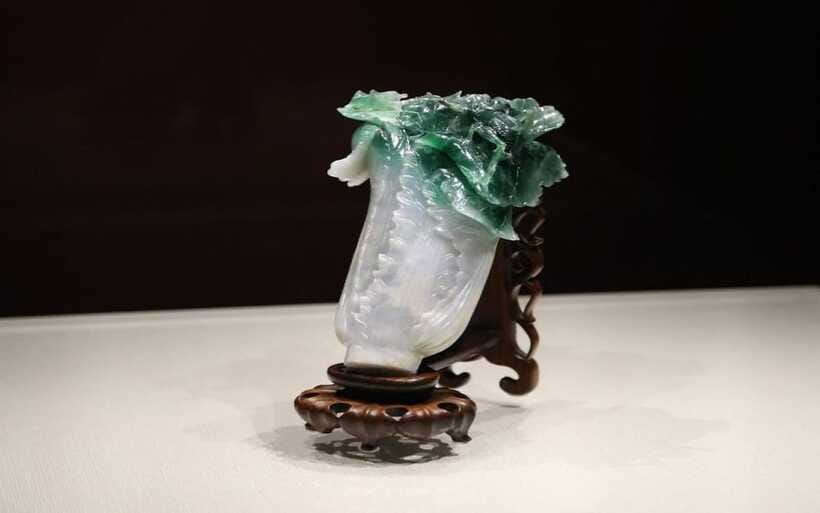
The Jadeite Cabbage is the object many people arrive hoping to see. The carving turns a piece of jade into a cabbage, with fine details that make the stone feel surprisingly lifelike. Its fame means the display can attract plenty of attention, so do not assume you will have the room entirely to yourself.
The Meat-Shaped Stone is another famous piece. Its form resembles a small portion of cooked pork, showing how Chinese artisans could turn unusual natural materials into objects that invite both close study and a smile. These two works are memorable because they are easy to understand at a glance, even if you know little about Chinese art.
I like using these familiar objects as an entry point rather than treating them as the whole museum. After seeing them, move on to the bronze ritual vessels and calligraphy scrolls. They may require more patience, but they show how art served religious, political, and literary purposes over long stretches of Chinese history.
The museum’s collection can seem too large if you treat every item as equally important. Instead, let the famous pieces orient you, then follow the subjects that interest you most. An audio guide is worth considering. It can explain why a work matters and help you avoid spending your attention on random objects simply because they happen to be in front of you.
Bronze Vessels, Calligraphy, And Five Thousand Years Of Art
The bronze ritual vessels offer a window into ceremony and authority. They are not just decorative containers. Their forms and designs reflect the role of ritual in ancient Chinese society, and they help explain why objects made for ceremonies can be as important as paintings or sculptures.
Calligraphy scrolls show another side of the collection. Here, the writing itself is the art. If you read Chinese, you may connect directly with the text, but even without reading it, you can study the brushwork, spacing, and balance.
The National Palace Museum is especially useful for showing how artistic traditions changed while certain values remained important. You might move from ancient objects to later works and notice different materials, styles, and purposes. That long view gives the collection more meaning than a quick look at isolated treasures.
A practical warning: the museum may feel overwhelming after several hours. Take your time, but give yourself permission to skip sections. A focused visit is likely to be more satisfying than a hurried attempt to see everything.
More experiences of this kind worth comparing:
- Full-Day Tour in Shifen, Jiufen & Yehliu of Taipei (Incl. ticket)
★ 4.5 · 164 reviews - Taipei 101 Observatory Deck Ticket
★ 4.0 · 22 reviews - Taipei 101 Observatory Ticket
★ 4.5 · 14 reviews - Leofoo Village Theme Park Ticket With Nonstop Shuttle From Taipei
★ 4.5 · 7 reviews
Shung Ye Museum And Taiwan’s Fourteen Indigenous Peoples
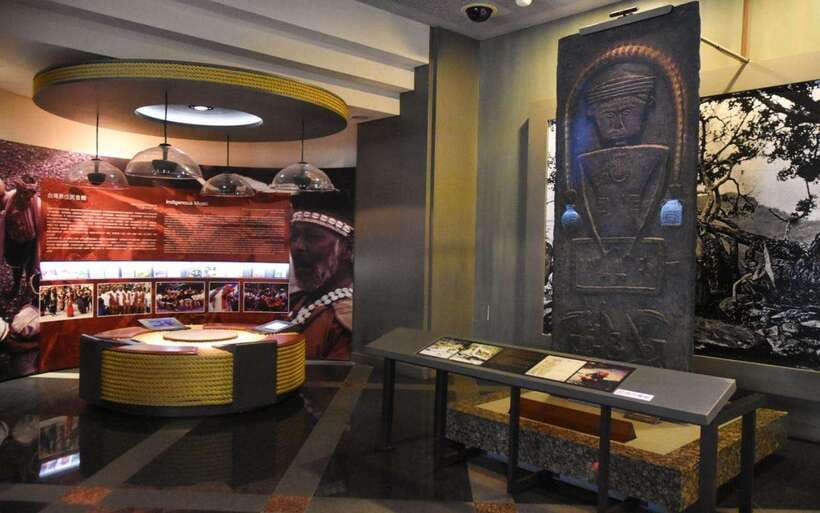
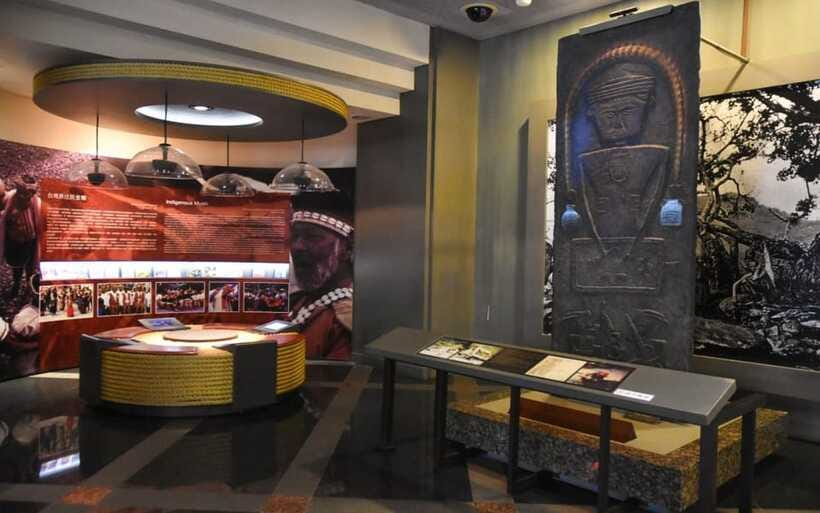
After the National Palace Museum, continue to the Shung Ye Museum of Formosan Aborigines. The change in subject is immediate. Instead of imperial collections from across Chinese history, you will find objects connected with Taiwan’s 14 recognized Indigenous tribes.
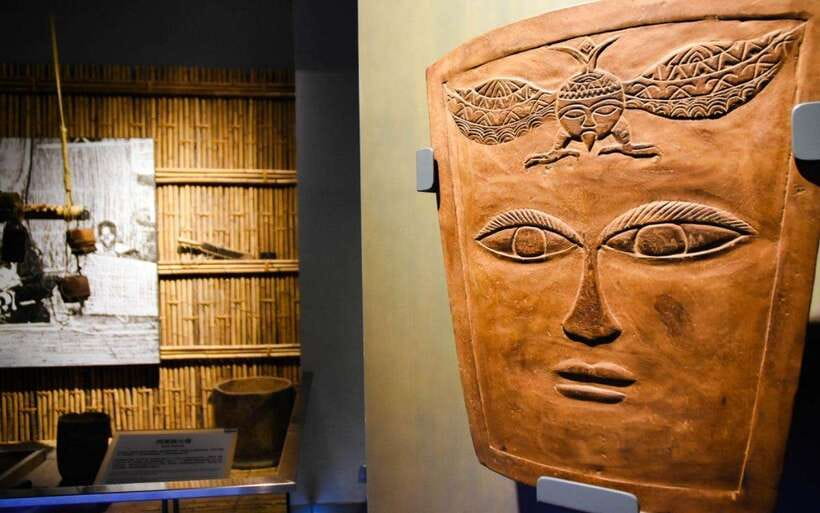
The displays include traditional clothing, hunting tools, ceremonial objects, tribal arts, and handicrafts. These items are valuable because they connect culture with practical life. Clothing can show identity and craftsmanship. Hunting tools reveal how people used local materials and skills. Ceremonial objects point toward beliefs, social customs, and community life.
The museum also uses multimedia displays to present Indigenous traditions and lifestyles. This helps add context to objects that might otherwise be difficult to understand. A tool or garment in a glass case tells only part of its story. Images and media can show how such items related to people, work, ceremony, and place.
Shung Ye is much smaller than the National Palace Museum. You might see the main collection in about 30 minutes, especially if you read only selected panels. That short length is not a reason to skip it. In fact, it makes the museum an easy addition to the day and gives you a needed change of pace.
The subject deserves more than a rushed glance, though. Taiwan’s Indigenous peoples have faced severe pressure from colonialism and occupation, and the museum addresses cultures that have often been pushed to the edge of broader historical narratives. I would treat the visit as more than a small extra attraction. Its size is modest, but its subject is important.
How To Pace The Day
The best order is the one described here: National Palace Museum first, then Shung Ye. The larger museum demands more concentration, while the smaller museum works well later when you want a shorter, more focused visit.
Start with a simple plan at the National Palace Museum:
- See the Jadeite Cabbage and Meat-Shaped Stone if they are on display.
- Spend time with bronze ritual vessels and calligraphy.
- Use an audio guide if you want help identifying major works.
- Skip some galleries rather than rushing through all of them.
Then give Shung Ye enough attention to understand the range of its displays. Look beyond the individual objects and ask what each item reveals about clothing, work, ceremony, or community identity.
The combined visit can occupy much of a day, but the ticket itself does not set a fixed tour duration beyond one-day validity. You control the pace. If your interest is mainly famous treasures, the National Palace Museum will take most of your time. If you care about Taiwan’s cultural identity, protect time for Shung Ye rather than treating it as an optional footnote.
Food and drinks are not allowed inside exhibit areas, and they are not included with the ticket. Plan a break outside the galleries instead of trying to carry refreshments through the displays.
What The $12 Ticket Is Worth
At $12, this is a strong-value admission package for anyone interested in museums. You receive entry to two institutions rather than paying separately, along with access to permanent and special exhibits. That is especially useful if you already intend to visit both.
The value is less clear if you have only a short stay in Taipei and want a fast sightseeing stop. The National Palace Museum rewards patience, and the Shung Ye Museum adds meaning through its subject rather than through size. You should buy this ticket because you want cultural context, not because you expect a quick checklist attraction.
The absence of a guide keeps the price low but shifts the work to you. The National Palace Museum’s size makes an audio guide a sensible extra if available. At Shung Ye, the displays and multimedia material provide the basic framework, but you should expect to read and interpret at your own pace.
The QR-code entry is a useful convenience. One booking was able to enter simply by having the code scanned at the entrance. That removes one small task from the day, although it does not replace checking the selected date, availability, and starting-time information before you go.
Who Will Enjoy This Museum Day
I would recommend this ticket to first-time Taipei visitors who want more than food, shopping, and city views. It suits people who enjoy art, archaeology, history, and cultural comparison.
It is also a good choice for families with older children or teenagers who can handle a large museum. The Jadeite Cabbage and Meat-Shaped Stone offer easy hooks, while the bronze vessels and calligraphy provide more serious material for adults.
The visit is less suitable for anyone who dislikes museums or wants constant activity. The National Palace Museum contains a great deal to see, and its scale can tire you out. Shung Ye is shorter, but it is still a museum built around reading, objects, and cultural explanation.
Accessibility requires care. Wheelchair access is limited, and the activity is listed as unsuitable for wheelchair users. If mobility is a concern, confirm the current arrangements directly before booking rather than assuming both museums offer full access.
What You Should Know Before Arrival
This is not a private experience, and no guided tour is included. You will need to make your own way to the museums, and hotel pickup and drop-off are not part of the price.
Flash photography is not allowed inside either museum. Food and drinks must also stay out of the exhibit areas. These rules protect the objects and help keep the galleries suitable for close viewing.
The booking includes free cancellation up to 24 hours before the activity, plus a pay-later option. Those terms are helpful if your Taipei itinerary is unsettled, but still check the exact availability and timing attached to your chosen date.
The overall rating is 4.6 from 16 ratings, which fits the experience’s strengths: easy entry, excellent collections, and a worthwhile cultural contrast. The main caution is also clear. The National Palace Museum is much larger than Shung Ye, so your expectations should differ for each stop.
Should You Book This Ticket?
Book it if you want to understand both Taiwan’s connection to Chinese art and the cultures of its 14 Indigenous peoples. The $12 price is hard to fault for two admissions, and the QR-code entry keeps the process simple.
I would especially recommend it for a full cultural day in Taipei. Give the National Palace Museum an unhurried block of time, use an audio guide if you want help with the major works, then visit Shung Ye with enough attention to appreciate its clothing, tools, ceremonial objects, and multimedia displays.
Skip it if you have limited mobility and cannot confirm suitable access, or if you want a guided experience with transport included. For everyone else, this is an inexpensive and useful pairing, with one grand museum and one small but important Indigenous culture museum balancing each other well.
FAQ
How long is the ticket valid?
The ticket is valid for one day.
What museums are included?
Admission includes the National Palace Museum and the Shung Ye Museum of Formosan Aborigines.
Does the ticket include a guided tour?
No. Guided tours are not included.
Can I see the Jadeite Cabbage and Meat-Shaped Stone?
These are listed as highlights of the National Palace Museum visit. Display conditions can vary, so check what is available when you enter.
Is food allowed inside the museums?
Food and drinks are not allowed inside the exhibit areas.
Is the experience wheelchair accessible?
Wheelchair accessibility is limited, and the activity is listed as unsuitable for wheelchair users. Confirm current access arrangements before booking.
Recently added in Taipei
- Keelung Shore Excursion: Private 6H Natural Wonder & Seafood Tour★ 5.0 · 3 reviews
- One-way Private Transfer between Jiufen and Taipei★ 5.0 · 3 reviews
- 8-Day Around Taiwan Private Tour★ 5.0 · 3 reviews
- National Palace Museum Northern Branch Taiwan Admission★ 4.5 · 3 reviews
- 12hrs – Chiayi Meteor Garden Classic Tour From Taipei★ 5.0 · 3 reviews
- Yilan 1-Day Private Tour to Kavalan Whisky & Cultural Gems★ 4.5 · 3 reviews
- Best of Taiwan 9 Days Tour★ 3.5 · 3 reviews
- Full Day Private History Tour in Taipei City★ 4.5 · 3 reviews
Museums, compared.
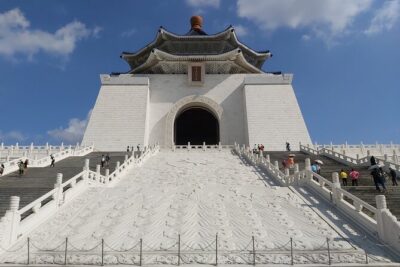
Taipei City Morning Tour with National Palace Museum entry
Read our review →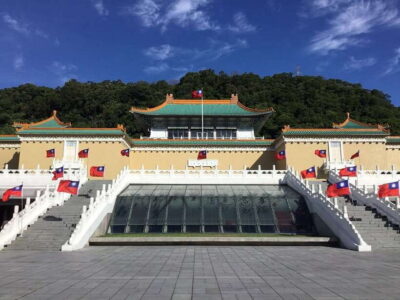
Morning City Tour with National Palace Museum Entry
Read our review →
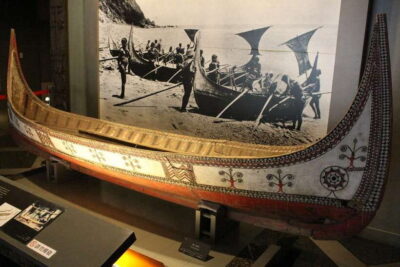
National Palace Museum and Taiwan Aborigines Museum
Read our review →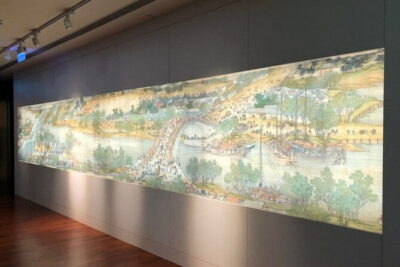
National Palace Museum Northern Branch Taiwan Admission
Read our review →Browse the lists this tour appears in