
Reviewed · HISTORICAL TOURS
Taipei’s Origin & Longshan Temple – Taiwan Cultural Tour
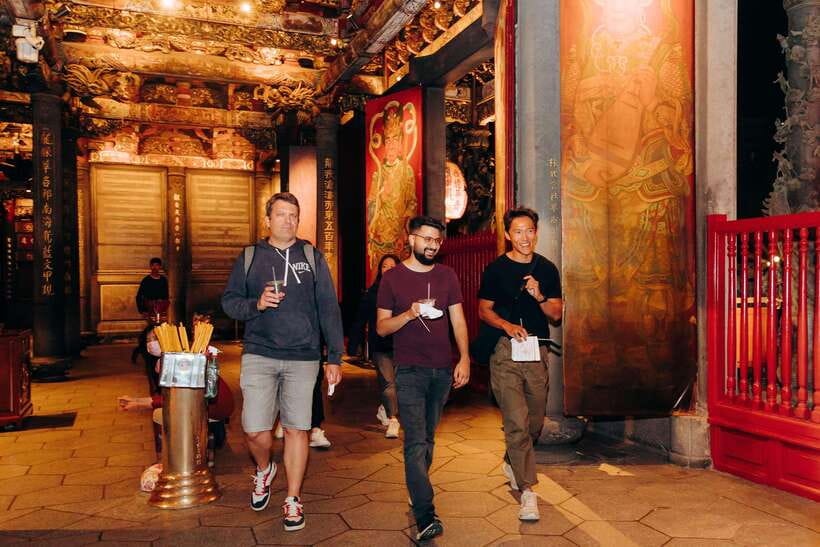
Ancient gods still answer modern questions. This 2.5-hour Taipei walking tour pairs the city’s beginnings with Longshan Temple, giving you a useful introduction to Taiwanese religion, folk stories, and daily customs. I like the focus on local beliefs rather than a quick list of old buildings, and I like that the guide explains rituals such as throwing moonstones and asking the gods for guidance. The main consideration is that the $1 booking fee does not include the guide’s tip, so you should budget for that separately.
The tour is especially appealing if you want stories you can carry into the rest of your time in Taiwan. Guide Leo has earned particular praise for his enthusiasm and for explaining the material almost entirely as a volunteer, but the tip-based format also means the experience depends on your guide and the group. One practical point needs checking: the activity information names Nantou County as the location, while the meeting point is clearly in Taipei at Longshan Temple Station.
In This Review
- Key points to know before you go
- Why Longshan Temple is the right place to begin
- Following the story of Taipei’s origin
- Meeting the gods behind everyday wishes
- Trying the moonstone ritual
- What makes the guide matter
- Timing, meeting point, and the walk itself
- How much value do you get for $1?
- Who should book this cultural tour?
- Booking flexibility and practical checks
- My verdict: a smart introduction with one caveat
- FAQ
- How long does the Taipei cultural tour last?
- Where does the tour begin?
- Where does the tour end?
- Is the guide’s tip included in the booking price?
- What language is the tour conducted in?
- Can I cancel the reservation?
Key points to know before you go
- Longshan Temple’s many gods: Learn why more than 100 folk gods are honored here, each linked with different human needs and troubles.
- Taipei’s beginnings: Hear how the city developed and how earlier generations lived, treated illness, and relied on religious practice.
- Moonstone fortune ritual: Try the temple practice of throwing paired moonstones and learn how to read the answer.
- Wenchang Dijun and the Old Man Under the Moon: Meet the gods associated with learning and romantic partnerships.
- A genuinely low entry cost: The booking price is $1 per person, but the guide’s tip is not included.
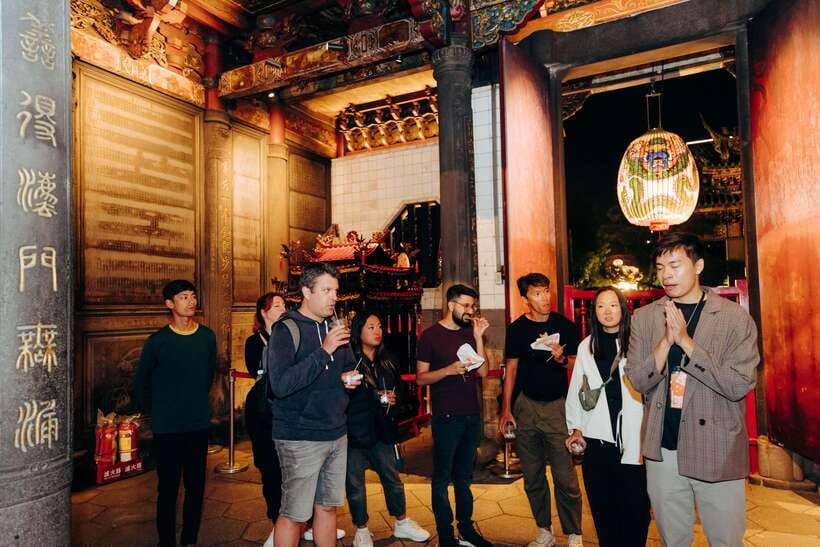
- Simple central meeting point: Find the guide with an orange badge at Exit 1 of Longshan Temple Station.
Why Longshan Temple is the right place to begin
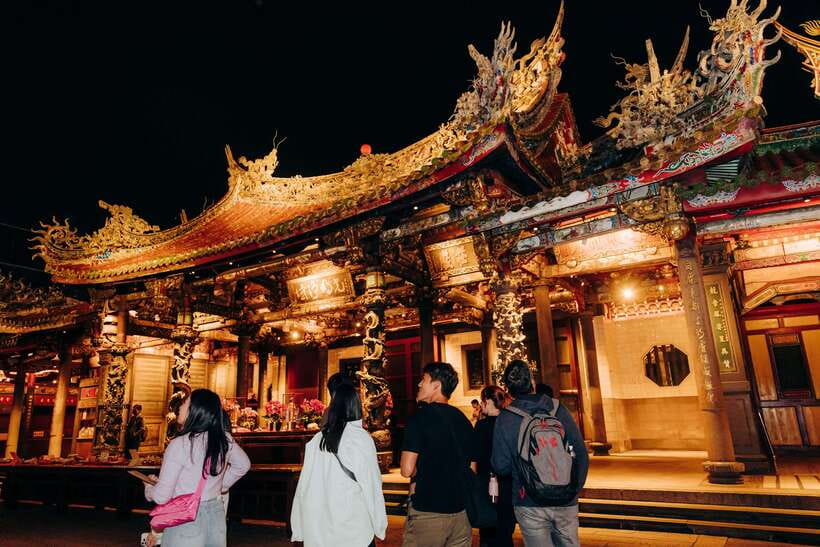
Longshan Temple gives this tour a strong setting because religion here is not presented as a museum display. The temple is a working place of worship, filled with colorful dragon decoration and more than 100 folk gods. Each figure has a role, and that role reflects the practical concerns of ordinary life.
You are not just hearing that Taiwan has Buddhist and Taoist traditions. You are shown how people ask for help with learning, relationships, health, luck, and other parts of daily life. That makes the subject easier to understand. Religion becomes less about labels and more about the questions people bring with them.
The temple’s long history is another reason the stop matters. The tour connects the building and its traditions with the generations who relied on them. You learn how Buddhism and Taoism have shaped a place that remains important over centuries, while folk religion adds its own colorful mix of gods and customs.
I would not treat this as a formal religious lesson. It is closer to an introduction to the beliefs you are likely to encounter around Taiwan. You may leave with a clearer idea of why temples are active community spaces, not simply photogenic buildings.
More history-first tours:
- Taipei Historic Shared Walking Tour
★ 5.0 · 189 reviews - Taipei Cooking Class & Market Adventure in Historic Dadaocheng
★ 5.0 · 77 reviews - WoknRoll Taipei Walking and Historical Food Tour
★ 5.0 · 10 reviews
Following the story of Taipei’s origin
The first half of the experience focuses on Taipei’s beginnings. The supplied details do not give a precise list of every street or historical stop, so you should expect the guide to build the story around the area and its connection to Longshan Temple rather than a long citywide walk.
That approach can work well in a short tour. Instead of trying to cover all of Taipei, the guide can explain how ancestors made a life in Taiwan and how their customs developed. The central question is practical: how did people live when modern doctors, hospitals, and familiar services were not available?
You hear about older ways of treating illness without doctors. That detail gives the cultural discussion a human scale. It is easier to understand why religion, folk gods, family customs, and traditional remedies mattered when health could be uncertain and help was limited.
I like this part because it avoids treating the past as a collection of dates. You get a sense of how people made decisions, dealt with fear, and sought support. The tour promises the most authentic Taiwanese stories, and this is where that promise has the most value, provided your guide explains the subject with the same energy credited to Leo.
Do not expect a complete history of Taipei in 150 minutes. The tour has a narrower aim: show you the city’s origins through Taiwanese stories and beliefs. If you want a detailed political timeline or a broad survey of Taiwan’s history, you will need another activity.
Meeting the gods behind everyday wishes
At Longshan Temple, the tour turns from history toward specific deities. This makes the visit more personal. Instead of hearing about an unnamed tradition, you learn which god people approach for a particular need.
Wenchang Dijun is associated with learning. Students and anyone concerned with study may find this introduction especially memorable. The Old Man Under the Moon is linked with bringing couples together, offering a glimpse into the way romance and religious practice can share the same temple space.
The temple also includes gods connected with the sea and battles. That range helps explain why folk religion can feel so broad. People do not approach one general figure for every problem. Different gods oversee different parts of life, and the temple gathers these concerns together in one place.
Your guide’s role is important here. A list of names would be hard to remember, but stories give the figures meaning. The advertised focus on folk gods, stories, and the Taiwanese way of life suggests that the guide will explain the figures through local tradition rather than simply translate signs.
This is also the section where you should remain respectful. Longshan Temple is a place of worship. Listen closely, follow the guide’s directions, and remember that the rituals are not staged for entertainment. You are being shown how people communicate with their gods, not watching a theatrical performance.
Trying the moonstone ritual
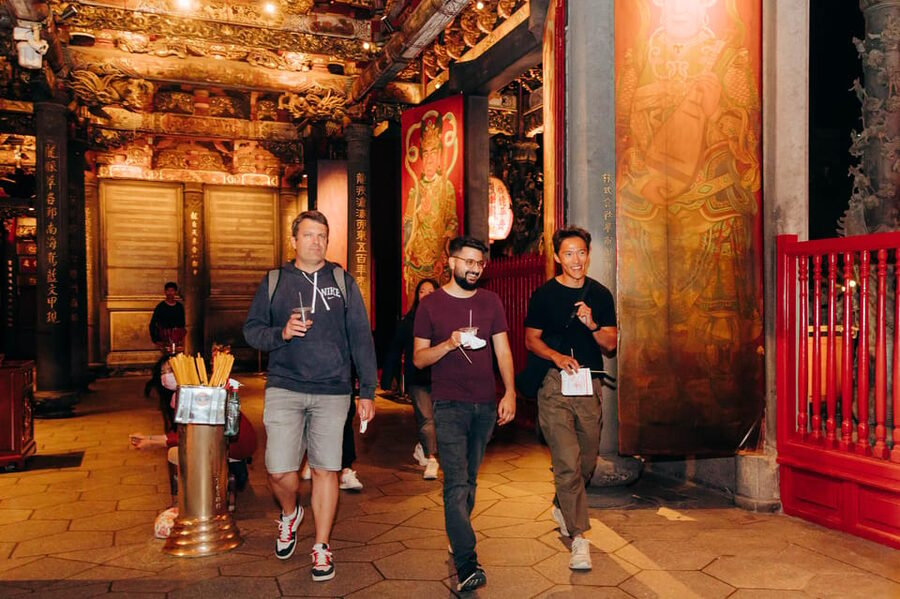
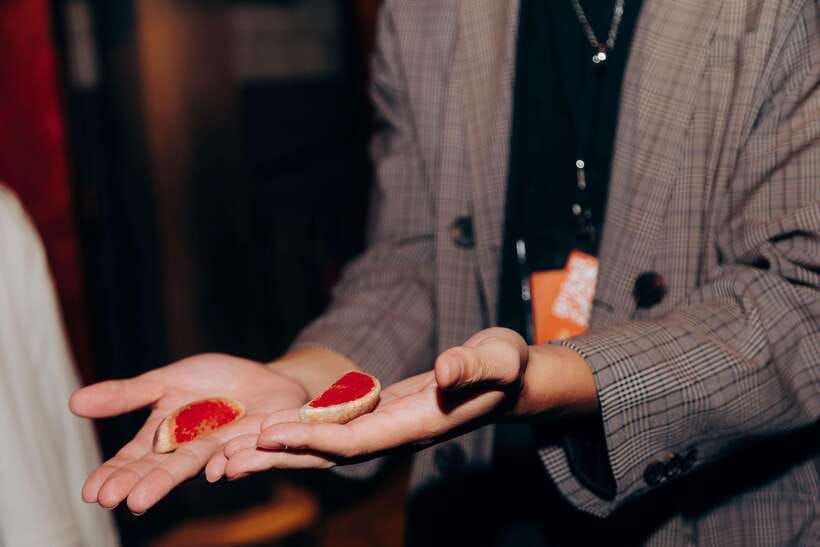
One of the tour’s most specific activities is learning how to throw moonstones and interpret the answer. The guide shows you how the paired pieces are used to ask the heavens for a message.
This small ritual gives the tour a practical edge. You are not only standing in a temple and listening. You get a chance to take part in a traditional practice, with the guide explaining what the result means. For many people, this will be the moment when the ideas from the tour become easier to remember.
Keep your expectations sensible. A fortune reading is part of the cultural experience, not a promise that every question will receive a clear answer. The value is in learning the method and understanding why people use it.
I would also avoid approaching the ritual as a game. The guide can help you understand the proper tone. If you are curious about Taiwanese religion but unsure how to begin, this is a gentle introduction. It lets you ask questions and observe the custom with some context.
The activity also makes this tour different from a standard sightseeing walk. Many city tours point out architecture and move on. Here, the temple’s practices are part of the subject.
A different sort of day out in Taipei:
- Full-Day Private Custom Taipei City Tour
★ 5.0 · 911 reviews - Full-Day Private Northern Taiwan Tour from Taipei with Pickup
★ 5.0 · 782 reviews - The Award-Winning Private Food Tour of Taipei: The 10 Tastings
★ 5.0 · 716 reviews - 5-Day Best of Taiwan: Sun Moon Lake, Tainan, Kaohsiung, Hualien
★ 5.0 · 578 reviews
What makes the guide matter
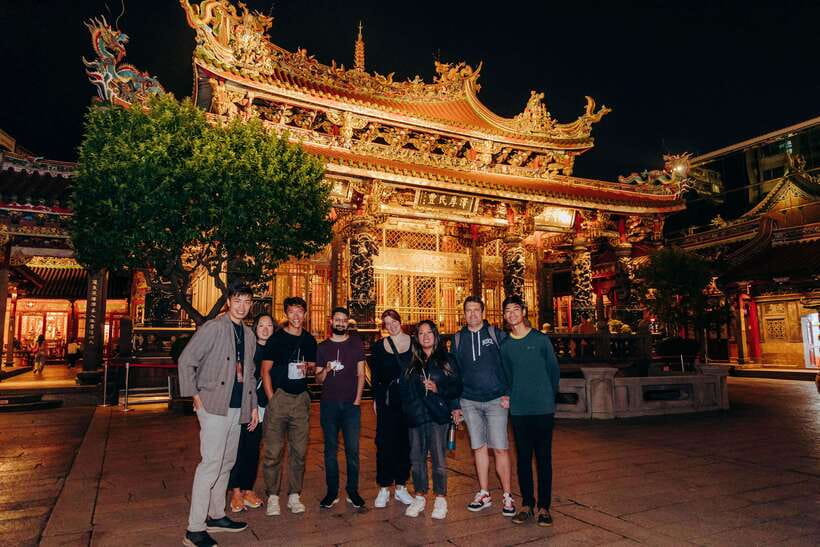
This is a tip-based tour, so the guide is central to its value. The booking fee is only $1 per person, and the guide’s tip is separate. That low starting price makes the tour easy to add to a Taipei itinerary, but you should not mistake the $1 payment for the full cost of the experience.
Leo receives especially warm praise for his explanations and enthusiasm. His work is described as being done almost entirely as a volunteer, which suggests a personal commitment to sharing Taiwanese culture. If Leo leads your group, expect his energy to shape the outing in a positive way.
Still, a tip-based model calls for a fair-minded approach. A good guide may turn a simple walk into a memorable cultural lesson. A less effective explanation could leave the stories feeling disconnected. The published rating of 4.6 from 19 ratings is encouraging, but it is still a small sample, and no tour can guarantee a particular guide.
I would plan to tip according to the quality and length of the tour, since the gratuity is not part of the booking price. The guide is not just showing you where the temple is. The guide is interpreting beliefs, explaining rituals, and answering questions in English.
Timing, meeting point, and the walk itself
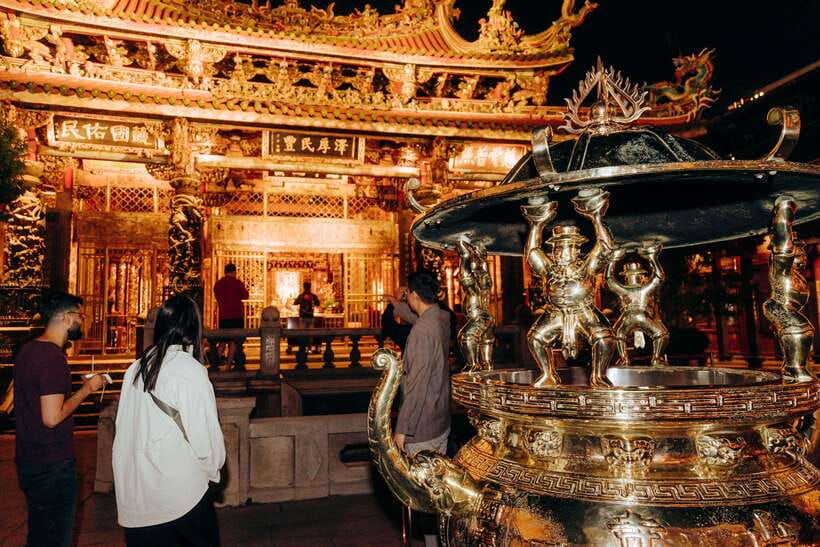
The tour lasts 2.5 hours. That is long enough for a real introduction, yet short enough to fit around other Taipei plans. You should check the available starting times before booking because the schedule is not fixed in the information provided.
The meeting point is Longshan Temple Station Exit 1. Look for the guide wearing an orange badge. This is useful in a busy transport area, and the station meeting point is easier to find than an unmarked street corner.
The activity ends back at the meeting point. That makes planning simpler. You can continue exploring the area afterward, return by the MRT, or arrange your next stop without needing to locate a separate ending point.
One detail deserves attention before you reserve. The location field identifies Nantou County, but all practical directions place the tour at Longshan Temple in Taipei. Those locations are not interchangeable, so I would verify the booking details and starting point directly before setting out. The stated meeting instructions are the clearest information available, but the mismatch should not be ignored.
The tour is conducted in English. If you want a language other than English, this experience does not list one.
How much value do you get for $1?
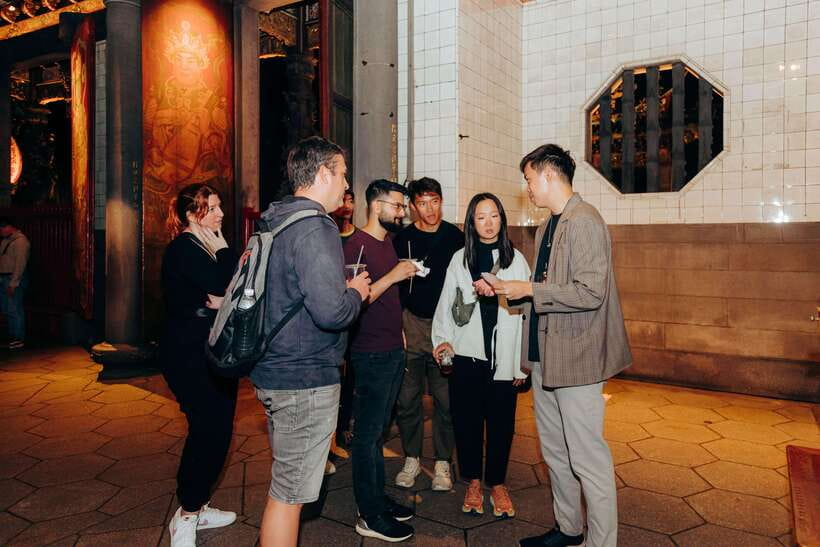
At $1 per person, the booking fee is unusually low. Even after allowing for a tip, this can be a strong-value way to learn about Taiwanese culture, especially if you are already planning to visit Longshan Temple.
The value comes from interpretation. You could enter the temple on your own, look at the dragons and gods, and take photographs. You might also wonder what the figures represent, why people use moonstones, or how Buddhist and Taoist traditions fit together. The guide helps connect those details.
The price also lowers the risk for curious visitors. If you are unsure how much time you want to give a cultural tour, 2.5 hours is manageable. You can test the subject without committing to a full-day program.
The catch is the tip. Since the activity is tip-based, the guide’s income is not covered by the $1 booking fee. Treat that gratuity as part of the expected cost, not an optional surprise. The final value depends on the explanation, the group, and how much you want from a temple visit.
For someone who wants a cheap sightseeing loop, the tour may feel too focused on stories and beliefs. For someone who wants context, it offers far more than the price suggests.
Who should book this cultural tour?
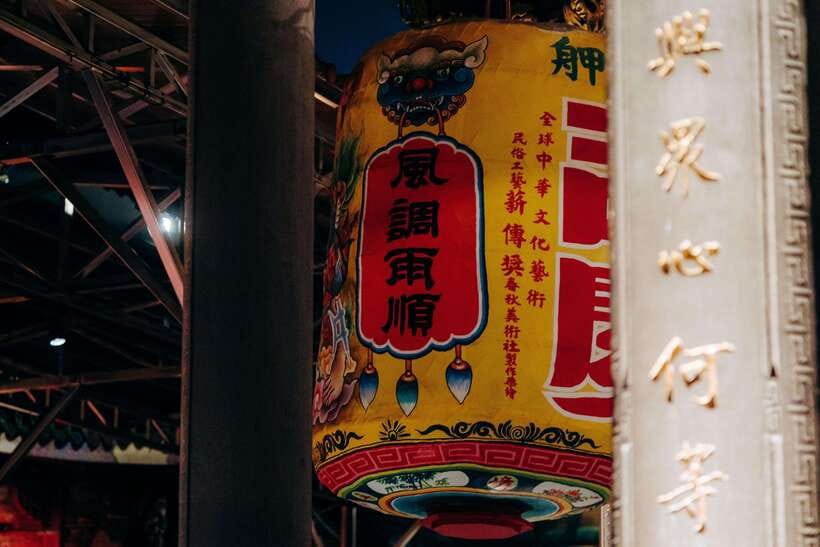
I would recommend it to first-time visitors who want a clear introduction to Taiwanese religion. It also suits you if you enjoy local stories, want to understand temple customs, or prefer a guided walk to reading signs on your own.
Students and people interested in education may find the discussion of Wenchang Dijun especially relevant. Couples or anyone curious about traditional ideas around matchmaking may enjoy learning about the Old Man Under the Moon.
This tour is also a good fit if you have limited time in Taipei. The meeting point is easy to identify, the walk returns to where it began, and the length leaves room for other plans.
You may want to skip it if you are seeking a grand architectural tour with many separate landmarks. It is also not the best choice if you dislike religious subjects or do not want to participate in a traditional fortune ritual. The focus is culture through belief, not general sightseeing.
Families may appreciate the stories and visual details, but the available information does not specify age limits or special family arrangements. If those details matter to you, ask before booking.
Booking flexibility and practical checks
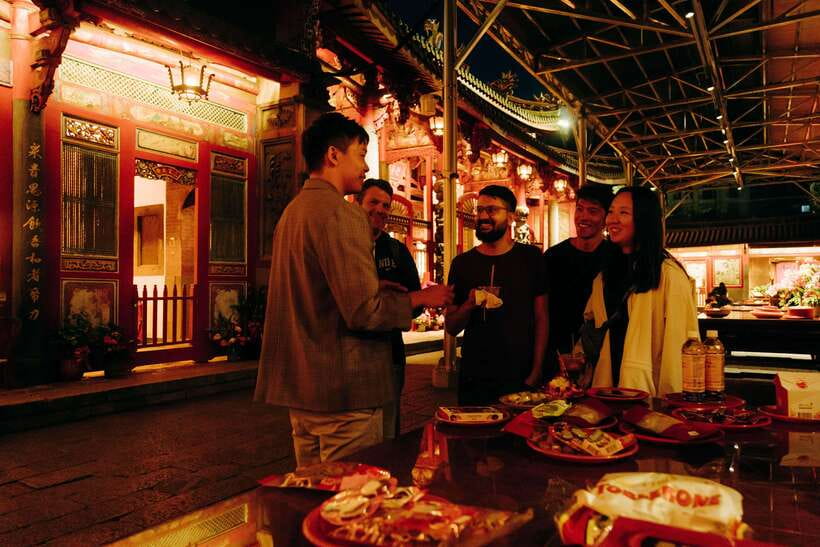
You can cancel up to 24 hours before the activity for a full refund. You can also reserve now and pay later, which is useful if your Taipei schedule is still changing.
The activity information provides a help page for anyone who cannot find the group. Save the meeting point, Exit 1, and the orange badge detail before you leave. Those simple notes should make the start easier.
Because the activity is labeled as taking place in Nantou County while meeting in Taipei, confirm the location before relying on the reservation. This is the one practical issue I would resolve first.
My verdict: a smart introduction with one caveat
Book this tour if you want Taiwanese stories, temple customs, and local beliefs explained in plain English. The low booking fee, short duration, moonstone ritual, and focus on more than 100 folk gods make it a useful first look at a side of Taipei that is easy to miss.
Go in understanding the format. The tip is not included, the guide shapes much of the experience, and the location information needs checking because Nantou County and Taipei appear together. If you confirm the meeting details and arrive ready to listen, this should be a rewarding, low-cost way to understand why Longshan Temple remains such an important part of Taiwanese life.
FAQ
How long does the Taipei cultural tour last?
The tour lasts 2.5 hours. Starting times vary, so check availability when you reserve.
Where does the tour begin?
It begins at Longshan Temple Station Exit 1. Look for the guide with an orange badge.
Where does the tour end?
The activity ends back at the meeting point.
Is the guide’s tip included in the booking price?
No. The tour is tip-based, and the tip for the guide is not included in the $1 booking fee.
What language is the tour conducted in?
The tour is conducted in English with a live English-speaking guide.
Can I cancel the reservation?
Yes. You can cancel up to 24 hours in advance for a full refund. You can also reserve now and pay later.
Recently added in Taipei
- Keelung Shore Excursion: Private 6H Natural Wonder & Seafood Tour★ 5.0 · 3 reviews
- One-way Private Transfer between Jiufen and Taipei★ 5.0 · 3 reviews
- 8-Day Around Taiwan Private Tour★ 5.0 · 3 reviews
- National Palace Museum Northern Branch Taiwan Admission★ 4.5 · 3 reviews
- 12hrs – Chiayi Meteor Garden Classic Tour From Taipei★ 5.0 · 3 reviews
- Yilan 1-Day Private Tour to Kavalan Whisky & Cultural Gems★ 4.5 · 3 reviews
- Best of Taiwan 9 Days Tour★ 3.5 · 3 reviews
- Full Day Private History Tour in Taipei City★ 4.5 · 3 reviews
Historical Tours, compared.
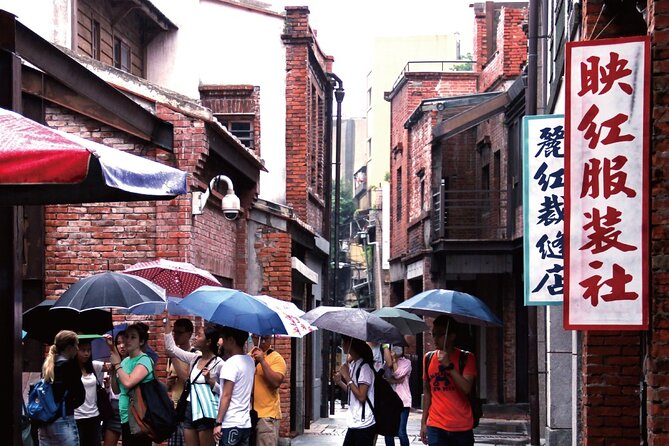

Taipei Cooking Class & Market Adventure in Historic Dadaocheng
Read our review →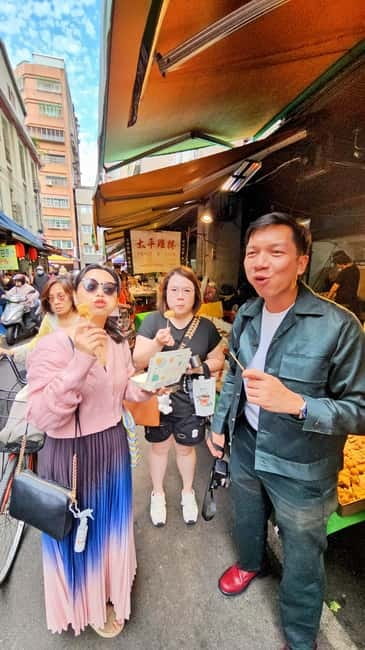
Cooking Class & Market Adventure Historic Dadaocheng
Read our review →

WoknRoll Taipei Walking and Historical Food Tour
Read our review →
Guided Historical Tour in Taichung with Suncake DIY Experience
Read our review →

Browse the lists this tour appears in