
Reviewed · COOKING CLASSES
Taiwanese Food Culture and Cooking Class
A market can teach you to cook. This Taipei experience pairs a guided visit to Dongmen Market with a hands-on Taiwanese food class, giving you more than a meal or a recipe card. I like the focus on seasonal ingredients and the chance to taste everyday market foods before cooking. I also like the small, home-style setting and Wayne’s mix of Taiwanese and Sicilian cooking experience.
The main drawback is the climb: you need to walk up four flights of stairs to reach the studio, and the class starts early at 9:30 am. The listed group size also needs checking, since the description says the cooking session stays at six students while the broader activity details allow up to 10 people.
In This Review
- Key points to know before booking
- Why this Taipei cooking class feels different
- Starting at Dongmen Market
- From market ingredients to the cooking bench
- Meeting Wayne, the host behind the class
- The value of a four-and-a-half-hour morning
- Accessibility and practical limits
- Who will enjoy this experience most
- What the strongest praise tells you
- Should you book Make My Day Cooking Lab?
- FAQ
- Where does the cooking class begin?
- What time does the experience start?
- How long does the activity last?
- Does the experience include a market visit?
- Can the class accommodate dietary requirements?
- Is the cooking studio accessible by elevator?
Key points to know before booking
- Dongmen Market comes first: You begin by looking at produce, fruit, and familiar local foods before entering the kitchen.
- Wayne teaches from home experience: He learned Taiwanese home cooking from his mother and Sicilian cooking from an Italian grandmother in Melbourne.
- The class is built around conversation: You can ask about food, daily customs, tourism, and cultural differences while preparing the meal.
- Recipes are available in three languages: English, Chinese, and Japanese versions can be provided if needed.
- Dietary requests should be discussed early: A vegan menu is available on request, and other special requirements can be considered before booking.
- The studio requires a four-floor climb: There is no elevator, so this matters if stairs are difficult for you.
Why this Taipei cooking class feels different
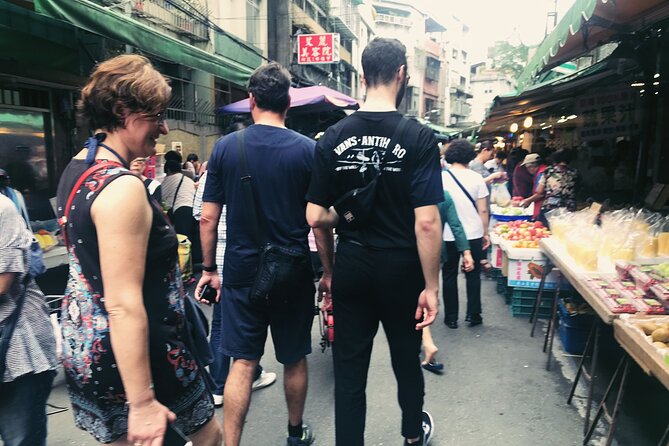
Many cooking classes are really short demonstrations followed by a plate of food. This one gives the market a proper role. You meet at 9:30 am at No. 168, Section 2, Xinyi Road, in Da’an District, then begin with Dongmen Market before heading back to the same meeting point.
That order makes sense. You see ingredients in their everyday setting first, then learn how they become part of a home-style meal. I like this approach because food makes more sense when you know how local people shop for it. A cooking class can teach technique, but a market visit can explain habits, seasons, and taste.
The experience is intended for a small group. The detailed class information says the session is limited to six students, while the general activity information gives a maximum of 10 participants. That difference is worth clarifying when you book, especially if the intimate format is a major reason you are interested.
The studio is described as cozy, home-like, spacious, clean, and fully equipped. One participant specifically praised the kitchen as a roomy and tidy cooking lab, which matters when several people are chopping, stirring, and moving around. You should expect a practical working kitchen rather than a polished restaurant dining room.
More cooking classes:
- Xiao Long Bao, Beef Noodles & Boba Tea Cooking Class in Taipei
★ 5.0 · 159 reviews - Xiao Long Bao, Chicken vermicelli with mushroom and sesame oil, Tofu strips salad, Bubble milk tea. Taiwan Traditional Delicacies Experience-A (Taipei Cooking Class)
★ 5.0 · 79 reviews - Taipei Cooking Class & Market Adventure in Historic Dadaocheng
★ 5.0 · 77 reviews
Starting at Dongmen Market
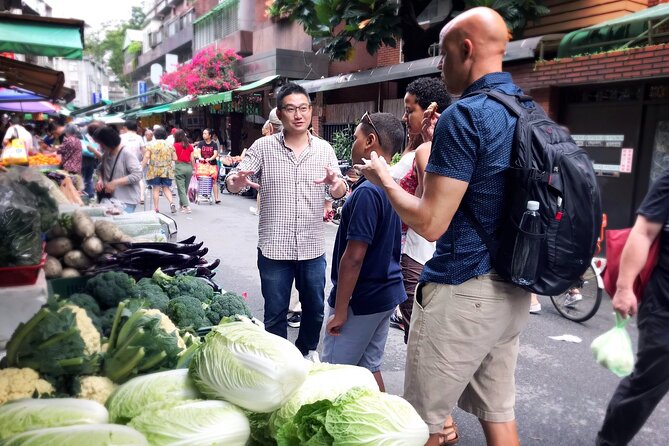
The first stop is Dongmen Market. Rather than rushing through a shopping list, Wayne uses the market to explain seasonal produce and fruit. You can expect to look closely at what is available, hear how ingredients fit into Taiwanese daily cooking, and sample some foods and drinks that may be unfamiliar to you.
That tasting is an important part of the morning. You are not simply collecting ingredients for a recipe. You are getting a small lesson in what people in Taiwan eat and drink as part of ordinary life. If you normally stick to well-known dishes, this gives you a chance to try something outside your usual order without needing to choose it alone.
The market portion also helps you understand the difference between Taiwanese food as presented to tourists and Taiwanese food at home. The class is not built around a commercial sightseeing script. Its stated aim is to show everyday food customs through close conversation and hands-on preparation.
There is one practical point to keep in mind: the available description does not name every dish or ingredient you will encounter at Dongmen Market. The theme changes by day, so your exact market discoveries and cooking menu may vary. That is good news if you enjoy seasonal food, but less useful if you want to book a class around one specific dish.
From market ingredients to the cooking bench
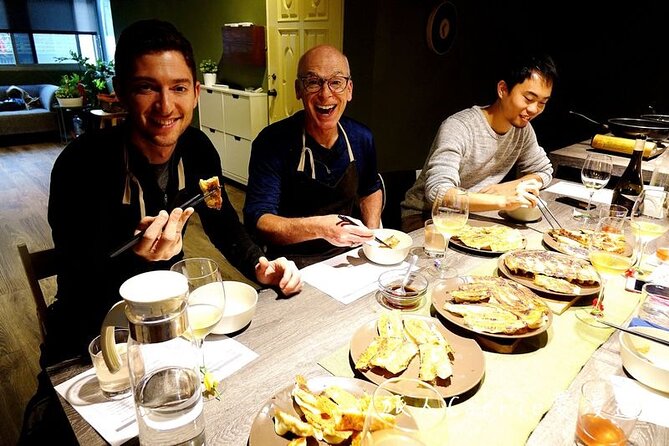
After the market visit, you return to the cooking studio. This is where the experience shifts from observation to participation. You should expect to prepare food under Wayne’s guidance, learn techniques, and talk through the ingredients rather than simply watch him do everything.
A past class included stir-fry cooking, and that session received especially strong praise. The participant found the techniques useful and said Wayne’s relaxed manner helped make the class comfortable for all skill levels. That suggests beginners should not feel tested, while people who already cook can still pick up useful methods.
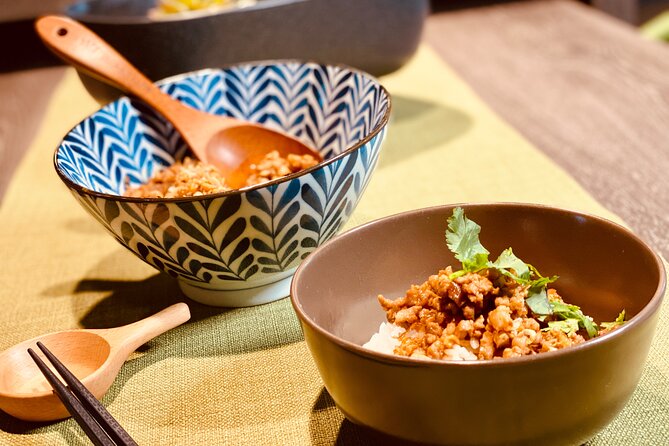
The exact recipes depend on the day’s theme. The experience offers different Taiwanese cuisine themes on different days, so you should check the current schedule if you have a particular interest. Recipes can be provided in English, Chinese, or Japanese, which gives you a practical way to repeat the dishes after returning home.
I see real value in that recipe support. A cooking class is easy to enjoy and easy to forget. A written recipe in a language you can read gives you a better chance of making the dish again, adjusting it to your own kitchen, and sharing a small part of the experience with friends or family.
The emphasis is on home-style cooking, not restaurant plating. That means the lesson is likely most useful if you want to understand how food is prepared for ordinary meals. You may not leave with professional culinary training, but you should leave with a clearer sense of ingredients, methods, and local food habits.
Meeting Wayne, the host behind the class
Wayne brings an unusual background to the kitchen. He learned traditional Taiwanese home cooking from his mother, then studied Sicilian home-style Italian cooking from an Italian grandmother while living in Melbourne, Australia. The result is a class led by someone who can talk about food across cultures without treating Taiwanese cooking as a museum piece.
His nearly 30 years of culinary experience also gives the class a strong personal anchor. You can ask about ingredients, cooking methods, local customs, tourist habits, and differences between food cultures. The description specifically encourages deeper conversation, so this is not an experience where you need to remain silent while instructions are delivered.
That conversational style will suit you if you enjoy learning through questions. It may also help if you feel nervous about cooking in front of other people. The relaxed tone reported from the stir-fry class suggests that Wayne works to put beginners at ease.
Still, a conversation-led class is not the same as a tightly timed professional workshop. If you want a highly technical lesson with exact restaurant-style methods, this may not be your ideal choice. The appeal here is the combination of food, local life, and personal exchange.
More hands-on workshops:
- Xiao Long Bao & Boba Tea Cooking Class in Taipei
★ 5.0 · 28 reviews - Xiao Long Bao, Pork thick soup, Bubble milk tea. Taiwan Traditional Light Meals Experience-B (Taipei Cooking Class)
★ 5.0 · 24 reviews - Street Food Cooking Class in Taipei : Gua Bao/Lu Rou Fan/Boba Tea
★ 5.0 · 22 reviews - Taipei Calligraphy Workshop (DIY incl.)
★ 5.0 · 19 reviews
The value of a four-and-a-half-hour morning
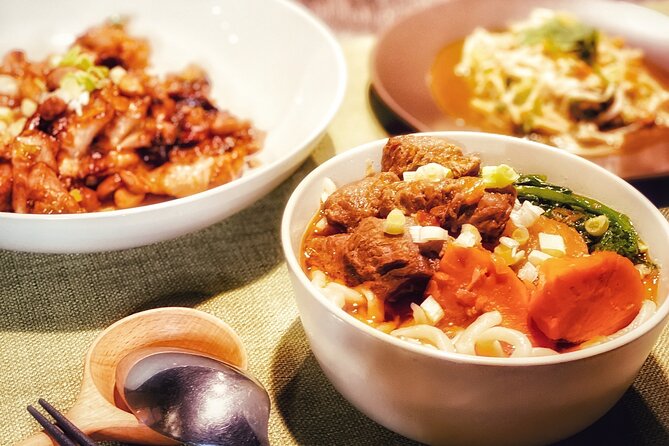
The experience lasts about four hours and 30 minutes. That is a substantial part of your Taipei day, but the time is divided between market exploration, tasting, preparation, cooking, and conversation. You are paying for a full activity rather than a quick demonstration.
At $130 per person, this is not a budget meal or a casual drop-in class. The price makes more sense if you value the small group, ingredient quality, market access, instruction, recipes, and time with a host who has decades of cooking experience. It is less attractive if your main goal is simply to eat Taiwanese food cheaply.
The class description says the provider avoids a commercialized approach and limits the working group to six students. That matters because small groups allow more room for questions and more direct help at the cutting board or stove. The general listing allows up to 10 participants, so I would confirm the expected size before paying if personal attention is important to you.
You also need to account for the early start. Meeting at 9:30 am is sensible for a market visit, since morning is when this part of the experience has the most purpose. It does mean you should plan your Taipei schedule around the class rather than trying to fit it between late breakfast and an afternoon attraction.
The activity ends back at the meeting point. That makes planning easier, since you do not need to arrange a separate pickup location at the end.
Accessibility and practical limits
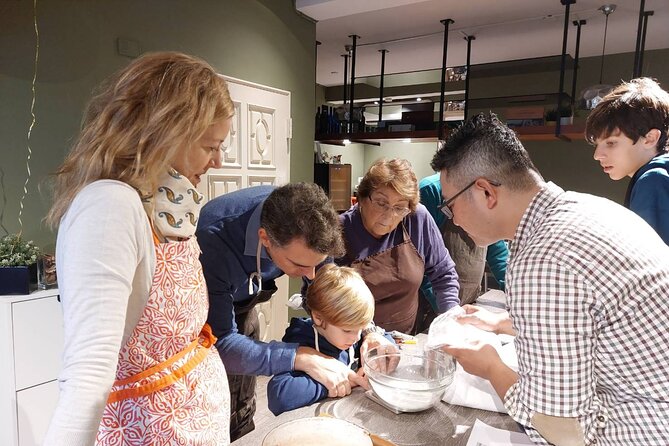
The studio has no elevator, and you need to climb four floors of stairs. This is the clearest physical limitation, so do not treat it as a minor footnote if stairs are uncomfortable for you. Service animals are allowed, and the meeting point is near public transportation.
The class can cater to a vegan menu on request. Other special dietary requirements can also be discussed before booking, but you should raise them in advance rather than arriving with an unexpected restriction. Since the market visit and cooking class are connected, dietary needs may affect both parts of the morning.
Mobile ticketing keeps the booking simple. Confirmation is provided at the time of booking, and free cancellation is available if you cancel at least 24 hours before the 9:30 am start. Cancellations or changes made inside that window are not accepted for a refund. The activity also requires a minimum number of participants, so a cancellation by the provider can result in another date, another experience, or a full refund.
These rules are standard enough, but the timing matters. If your Taipei plans are still shifting, book only when you are reasonably sure you can make the morning.
Who will enjoy this experience most
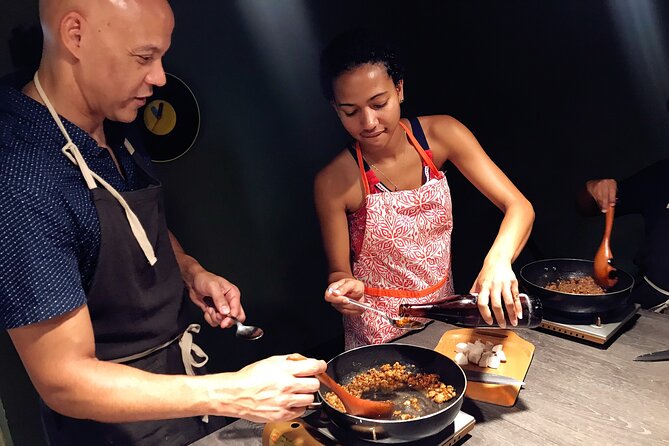
I would recommend this class to you if food is a way of understanding place. You will get the most from it if you like asking questions, trying unfamiliar market items, and learning how a dish fits into normal home life.
It is also a good match for:
- Beginners who want patient instruction without a formal culinary-school atmosphere
- Home cooks who want Taiwanese techniques and recipes they can repeat
- Couples, friends, or small groups looking for a shared activity
- Visitors who prefer conversation and local customs over a quick photo stop
- People who enjoy seeing ingredients before they reach the kitchen
- Vegans or people with dietary needs who can discuss arrangements in advance
You may want to skip it if you dislike stairs, need a large-scale class with a fixed menu, or only want a short food tasting. You should also check the daily theme before booking, since the recipes and cuisine focus change.
What the strongest praise tells you
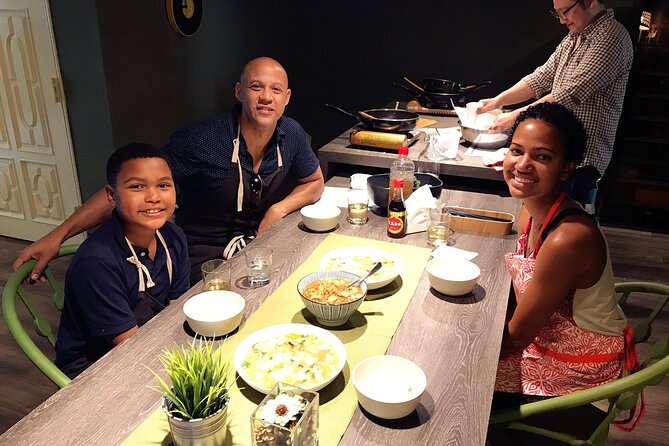
The most consistent strengths are the teaching style, the kitchen, and the chance to talk beyond recipes. The stir-fry session was praised for useful new techniques, a clean and spacious cooking area, and Wayne’s easygoing approach. Those details are more helpful than a simple five-star score because they tell you what the experience feels like at the workbench.
Another especially strong point is the blend of food and cultural discussion. The class can move from ingredient explanations to cooking, tourism, and differences between cultures. That makes it more personal than a standard recipe lesson.
The repeat-visit appeal is also notable. A participant who enjoyed the market explanations, tastings, and conversation said they would take the class again on a future Taipei visit. I would not treat that as a promise that every session will be identical, since menus change, but it does show how the market and host can add lasting value.
Should you book Make My Day Cooking Lab?
Book it if you want to spend a half day learning how Taiwanese food fits into ordinary life. The Dongmen Market visit, personal instruction, multilingual recipes, and small kitchen setting give the $130 price a reasonable basis, especially for people who value a social and educational experience as much as the meal.
Before booking, confirm the day’s cuisine theme, expected group size, and any dietary arrangements. Also be ready for four flights of stairs and an early start. If those points work for you, this offers a thoughtful way to meet Taipei through its ingredients, cooking habits, and one host’s family food traditions.
FAQ
Where does the cooking class begin?
It begins at No. 168, Section 2, Xinyi Road, Da’an District, Taipei City, Taiwan 106.
What time does the experience start?
The start time is 9:30 am.
How long does the activity last?
It lasts approximately four hours and 30 minutes.
Does the experience include a market visit?
Yes. The itinerary includes Dongmen Market, where you can learn about seasonal produce and fruit and sample some foods and drinks.
Can the class accommodate dietary requirements?
A vegan menu is available on request. Other special dietary requirements can be discussed and catered for before booking.
Is the cooking studio accessible by elevator?
No. You need to climb four floors of stairs, and there is no elevator.
More food experiences
- Taipei Street Food & Night Market Tour with a Local: Private & Custom
★ 4.5 · 35 reviews - Yansan Night Market Food Tour
★ 5.0 · 30 reviews - Best E-bike Cycling Tour in Taipei – Includes Local Food & Drinks
★ 5.0 · 19 reviews - Private Keelung Food Tour with Local Markets & Tastings
★ 5.0 · 11 reviews
More food and drink experiences
- The Award-Winning Private Food Tour of Taipei: The 10 Tastings
★ 5.0 · 716 reviews - Taipei Hidden Eats, Market & Street Food Tour with 8+ Tastings
★ 5.0 · 109 reviews - Taipei Food Tour: Night Market & Convenience Store(Food Included)
★ 4.5 · 100 reviews - Traditional Old School Taiwanese Food Tour
★ 5.0 · 36 reviews
Recently added in Taipei
- Keelung Shore Excursion: Private 6H Natural Wonder & Seafood Tour★ 5.0 · 3 reviews
- One-way Private Transfer between Jiufen and Taipei★ 5.0 · 3 reviews
- 8-Day Around Taiwan Private Tour★ 5.0 · 3 reviews
- National Palace Museum Northern Branch Taiwan Admission★ 4.5 · 3 reviews
- 12hrs – Chiayi Meteor Garden Classic Tour From Taipei★ 5.0 · 3 reviews
- Yilan 1-Day Private Tour to Kavalan Whisky & Cultural Gems★ 4.5 · 3 reviews
- Best of Taiwan 9 Days Tour★ 3.5 · 3 reviews
- Full Day Private History Tour in Taipei City★ 4.5 · 3 reviews
Cooking Classes, compared.
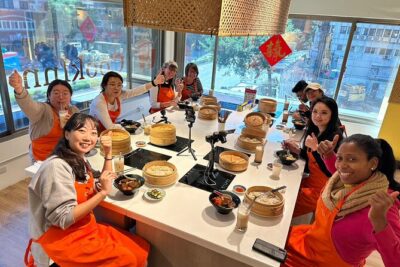
Xiao Long Bao, Beef Noodles & Boba Tea Cooking Class in Taipei
Read our review →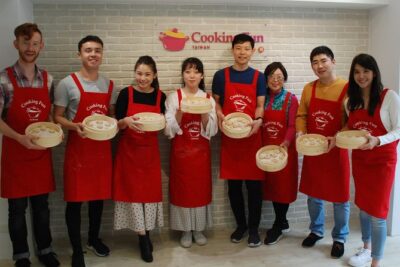
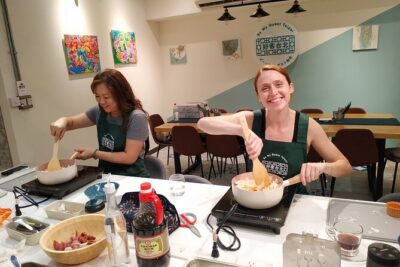
Taipei Cooking Class & Market Adventure in Historic Dadaocheng
Read our review →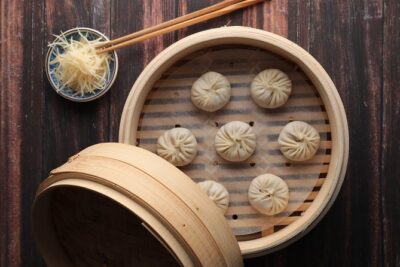
Xiao Long Bao & Boba Tea Cooking Class in Taipei
Read our review →
Xiao Long Bao, Pork thick soup, Bubble milk tea. Taiwan Traditional Light Meals Experience-B (Taipei Cooking Class)
Read our review →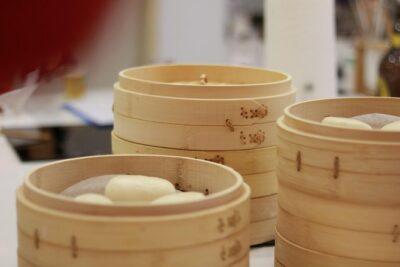
Street Food Cooking Class in Taipei : Gua Bao/Lu Rou Fan/Boba Tea
Read our review →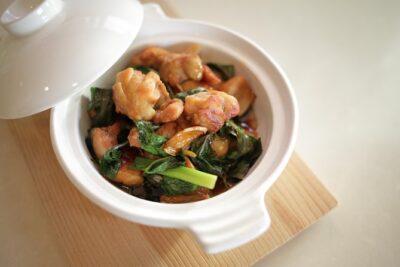
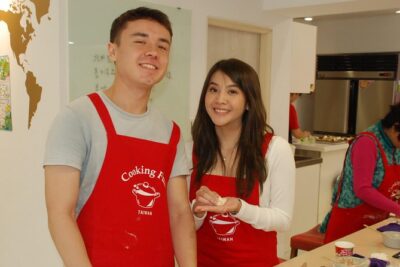
Xiao long bao, Pork thick soup, Bubble milk tea. (Taiwan Cooking Class)-B
Read our review →Browse the lists this tour appears in